July 10, 2026
Security planning often focuses on alarms, cameras, smart devices, and emergency procedures, but physical key control is just as important. A door lock is only as secure as the people who have working keys, so long-term planning should include more than replacing damaged hardware. It should also include regular reviews of who can enter a home, business, rental property, storage area, or restricted space.
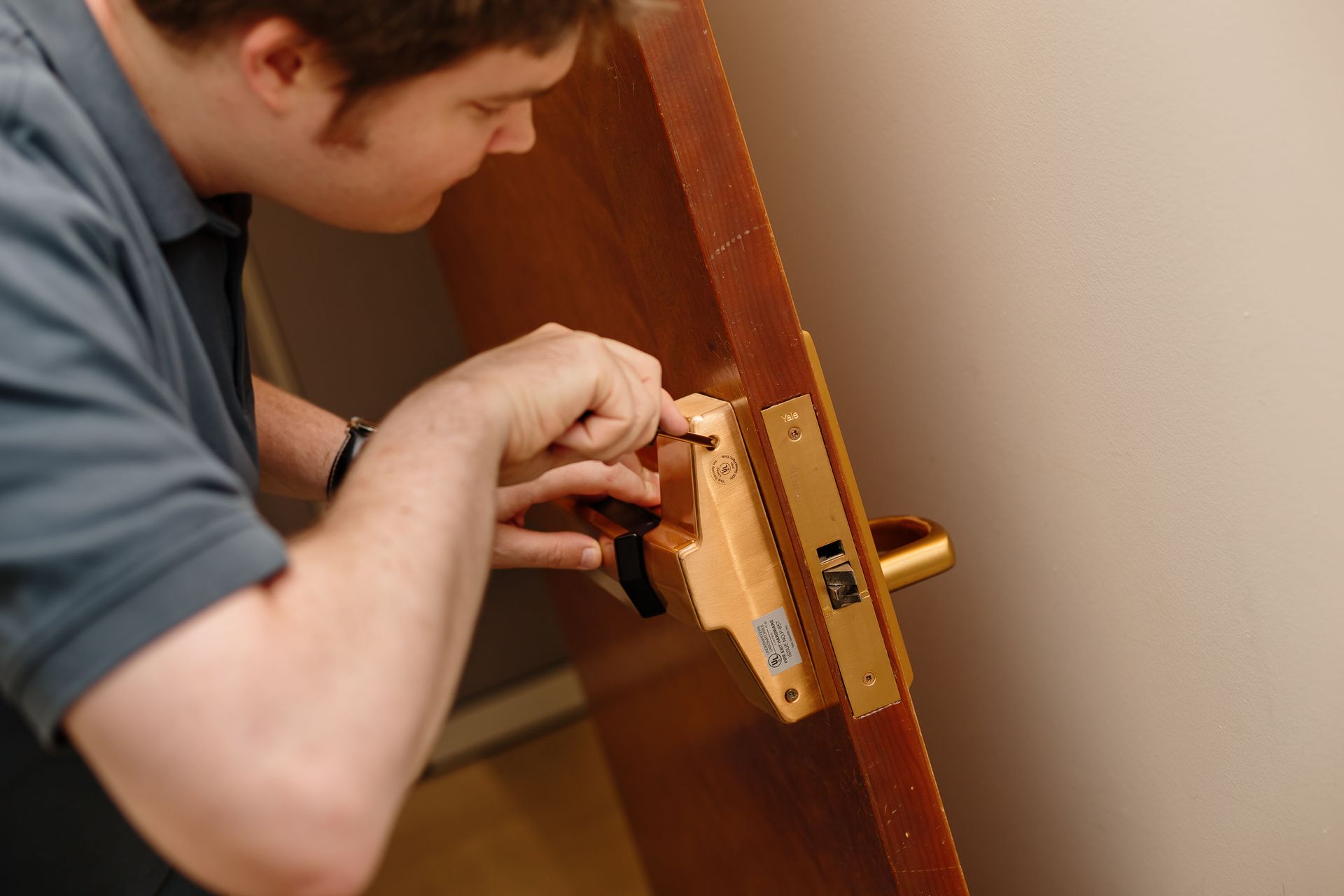
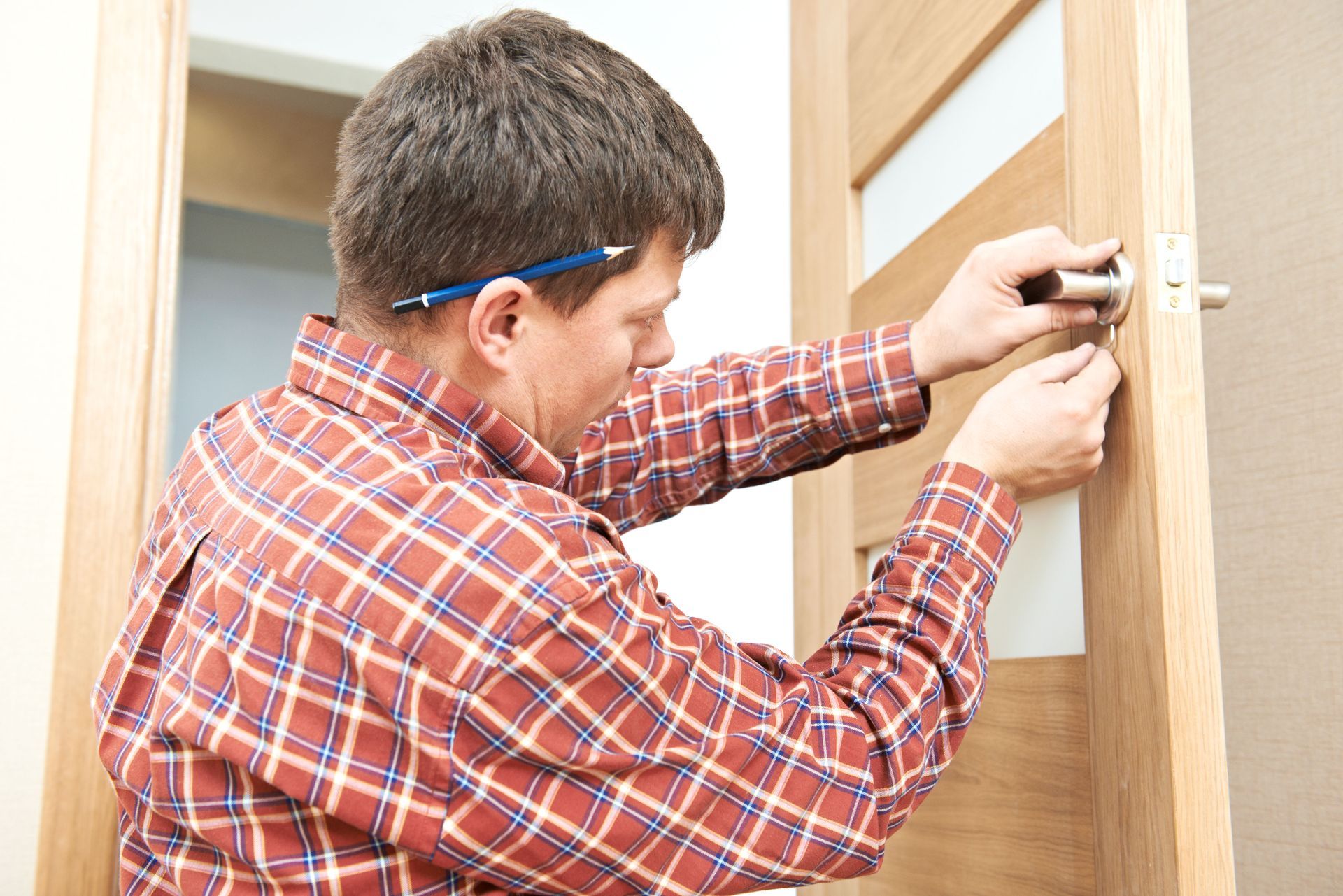
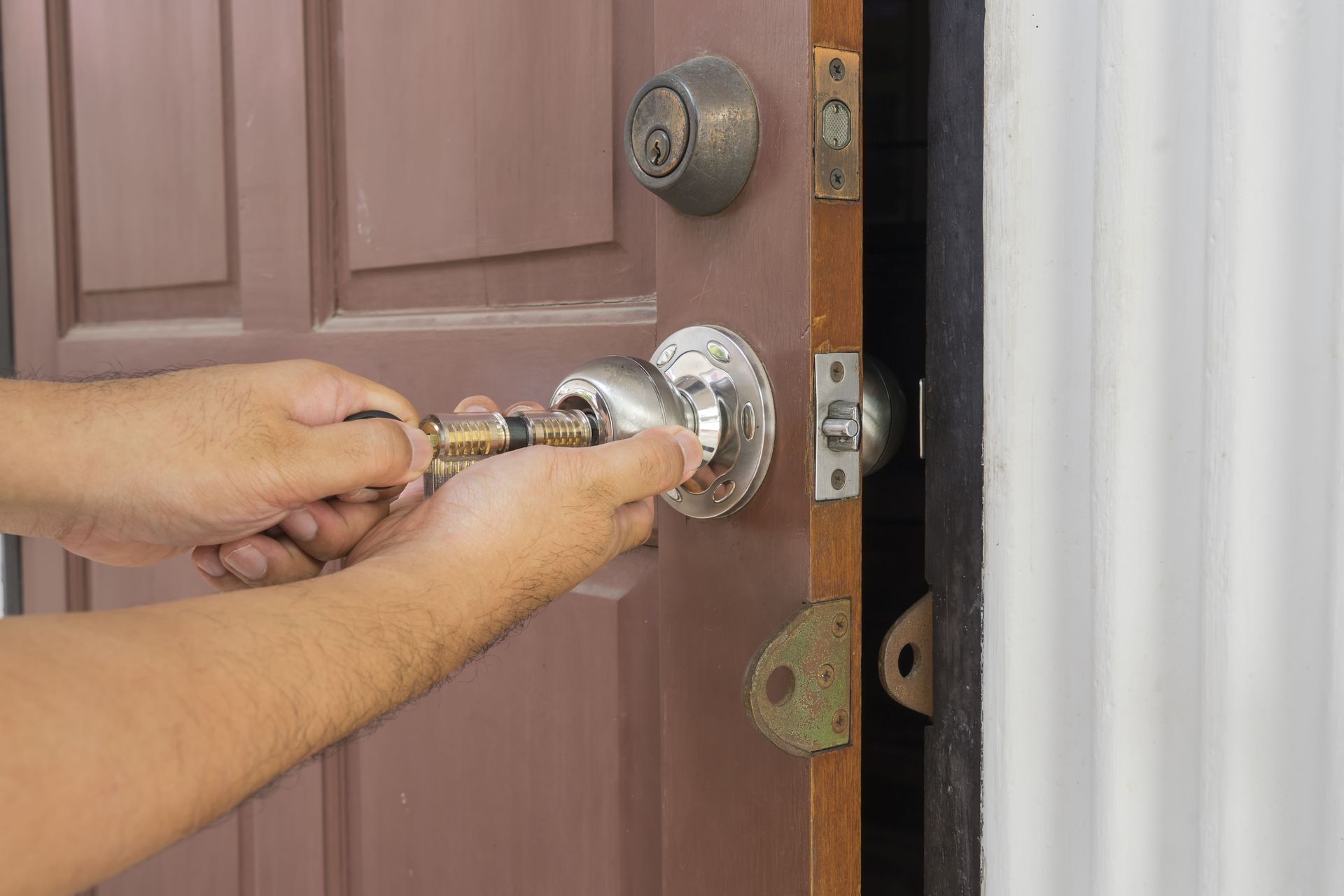
A rekey lock service helps property owners update access without replacing the entire lock system. Instead of changing the full lock body, a locksmith adjusts the internal pins or components so the old key no longer works and a new key is required. This can be useful after moving, staffing changes, contractor work, lost keys, tenant turnover, or any situation where access may no longer be clear. For many property owners, rekeying is a practical way to strengthen security while keeping existing hardware in place.
Reviewing Who Has Access
Long-term security starts with knowing who can get in. Over time, keys can be copied, misplaced, borrowed, or forgotten about entirely. A previous tenant, employee, house sitter, contractor, roommate, or service provider may still have a key even if they no longer need access. When that uncertainty builds, the lock may still work properly, but the access plan becomes weak.
A rekey lock service helps reset that access plan. It gives the property owner a fresh starting point because older keys stop working. This is especially useful when there is no reliable way to collect every past key or confirm whether duplicates were made. Instead of hoping access is still limited, rekeying allows the owner to take direct control.
This kind of review should not happen only after a problem occurs. It can be part of a yearly security check, a move-in checklist, a business transition process, or a property management routine. When rekeying is preventive maintenance, it becomes easier to manage access before a security concern turns into an emergency.
Reducing Risk After Transitions
Major life and property changes often create access gaps. Moving into a new home, purchasing a commercial building, changing tenants, hiring new staff, or closing out a renovation project can all leave unknown keys in circulation. Even when people leave on good terms, old keys can still create avoidable risk.
A rekey lock service is often a practical step after these transitions because it separates the new phase of ownership or occupancy from the old one. New homeowners can start fresh without wondering how many spare keys exist. Business owners can update access after employee turnover. Landlords can prepare a unit for the next resident without replacing every lock on the property.
Rekeying can also help simplify access after changes. A locksmith may be able to adjust several compatible locks so they work with one key, reducing the number of keys an owner, manager, or staff member needs to carry. That convenience supports better habits because fewer keys are easier to track, secure, and replace.
Supporting Layered Security Planning
Strong security usually works in layers. Cameras can document activity, alarms can notify owners, lighting can improve visibility, and sturdy doors can slow unauthorized entry. However, those layers still depend on the locks that control everyday access. If too many people have keys, other security measures may not address the most basic vulnerability.
A rekey lock service supports a layered security plan by strengthening one of the first points of control. It does not replace other tools, but it helps make them more effective. A camera may show who came through a door, but a rekeyed lock can help limit who is able to enter in the first place. That matters for both homes and businesses.
Planning also means thinking beyond the front door. Detached garages, back entrances, office suites, file rooms, supply closets, gates, storage areas, and utility rooms may all need access control. When a locksmith reviews these spaces, property owners can decide which locks should share keys, which should remain separate, and which areas need stricter limits.
Preparing for Everyday Lock Challenges
Security planning is not only about break-ins. It also includes everyday problems that interrupt safety, access, and routines. Lost keys, broken keys, jammed locks, worn cylinders, and accidental lockouts can all create stress. According to AAA Insurance, about four million Americans lock themselves out of their cars each year. While that statistic focuses on vehicles, it reflects a broader reality: lock and key issues are common and often urgent.
A rekey lock service can be part of a larger response when keys are lost or access feels uncertain. If a key disappears, rekeying can prevent that key from being used later. This can be especially important when the missing key is labeled, attached to an address, connected to a business, or tied to a high-traffic property.
A locksmith can also identify whether rekeying is enough or whether replacement is a better option. If the lock is damaged, outdated, loose, or difficult to operate, replacing the hardware may be smarter. If the lock is still in good condition, rekeying may restore control without unnecessary replacement.
Protecting Business and Residential Spaces
Homes and businesses have different security needs, but both benefit from clear key control. In a home, access may involve family members, neighbors, cleaners, babysitters, pet sitters, contractors, or guests. In a business, access may include employees, managers, vendors, maintenance workers, delivery personnel, and former staff. Without a plan, keys can multiply quickly.
A rekey lock service helps create structure. Homeowners may use it after moving, lending keys, ending a roommate arrangement, or completing repairs. Business owners may use it after staffing changes, lost master keys, office relocations, or updates to restricted areas. In both settings, the goal is to reduce uncertainty and keep access aligned with current needs.
Commercial properties may also need a more detailed keying system. Some doors may need to open for all employees, while others should be limited to management or specific departments. A locksmith can help organize those access levels so daily operations remain efficient without giving unnecessary entry to sensitive spaces.
Building Habits That Strengthen Security
The value of rekeying increases when it is part of ongoing habits. Property owners should keep a simple record of who has keys, when locks were last rekeyed, and which doors are included in the current system. This record should be accurate enough to guide future decisions.
A rekey lock schedule can also be tied to predictable events. For example, landlords may rekey between tenants, businesses may rekey after employee turnover, and homeowners may rekey after losing a key or completing major service work. These habits prevent access decisions from becoming rushed or reactive.
It is also helpful to store spare keys carefully and avoid hiding them in obvious outdoor spots. Key control works best when every copy has a clear purpose and a known holder. When keys are distributed casually, even strong locks can become less effective. Rekeying gives owners a way to correct that problem, but better habits help reduce how often it happens.
Security planning should be realistic, consistent, and easy to maintain. A rekey lock service supports that goal by helping property owners update access, reduce uncertainty, and keep existing locks useful when the hardware is still in good condition. Over time, that kind of planning can make homes, businesses, rental properties, and restricted spaces easier to manage. Call Village Lock & Key, Inc today to schedule your locksmith service.